Transcript

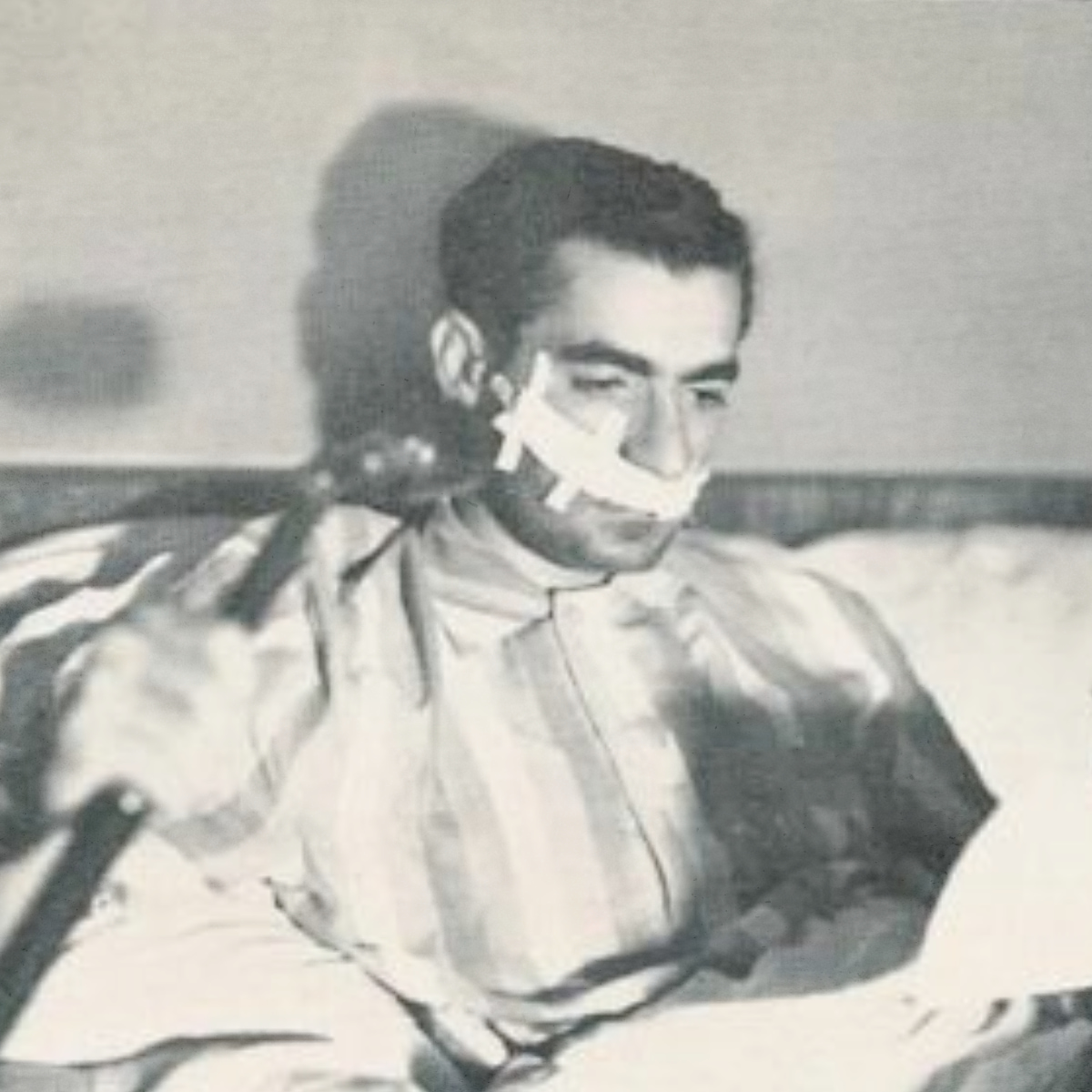
Mohammad Reza Shah 1949 assassination attempt. How he survived, tightened power, and turned to the US, reshaping Iran’s Cold War path.
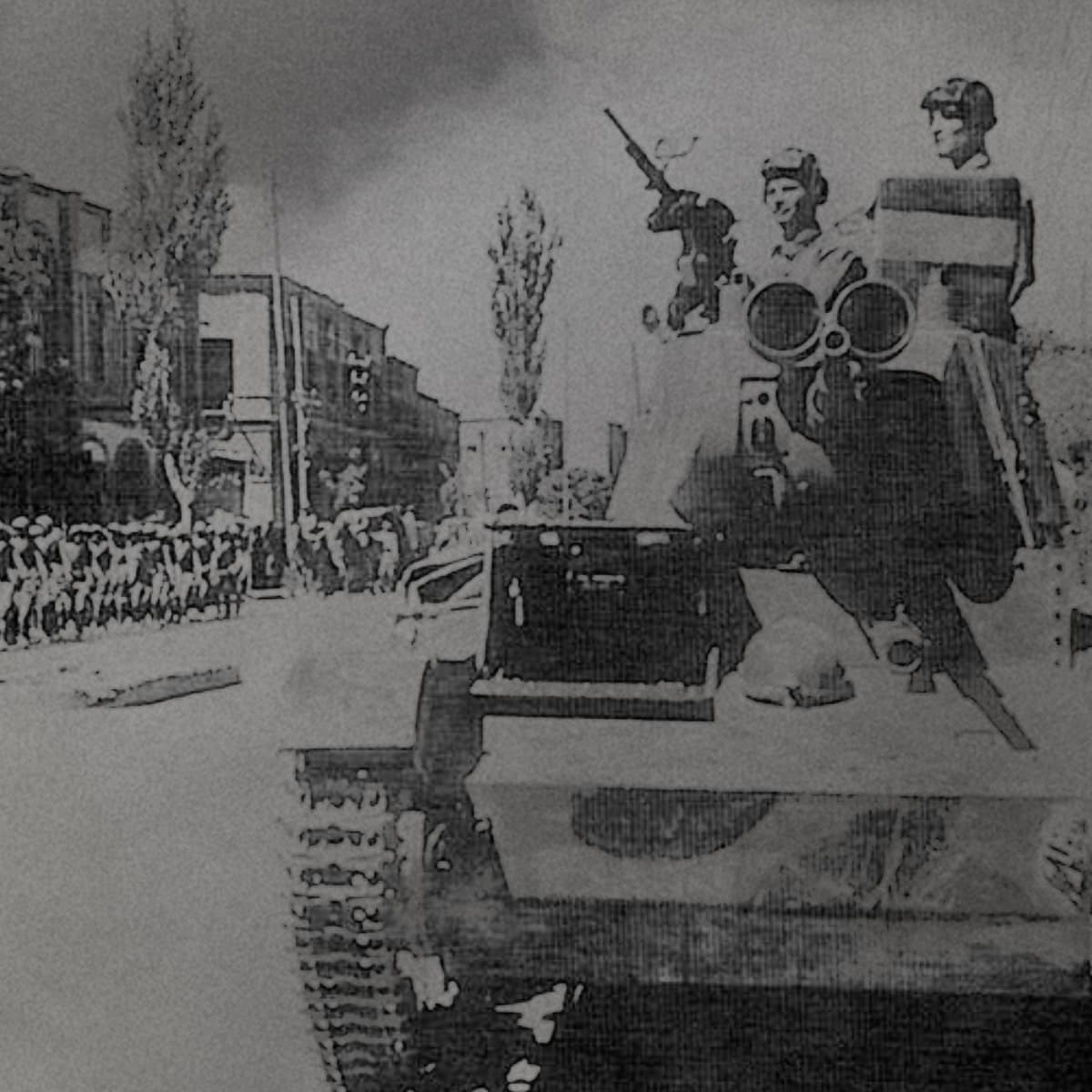
The Iran Crisis of 1946 was the Cold War's first flashpoint: Stalin refused to leave, and Iran teetered on the edge of fracture.
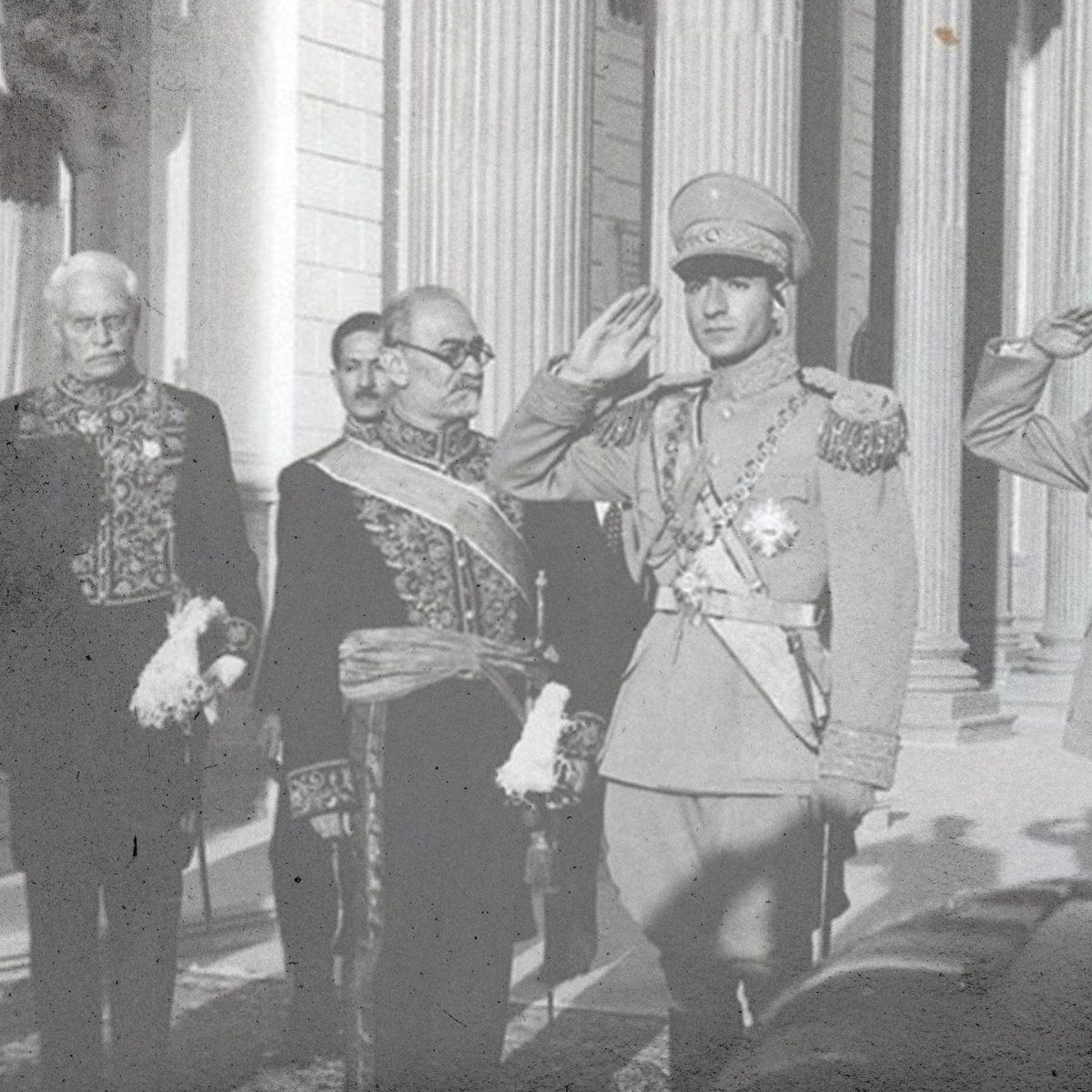
As the Tehran Conference unfolds in 1943, Iran stands occupied and divided. How did Mohammad Reza Shah’s rise reshape the country?
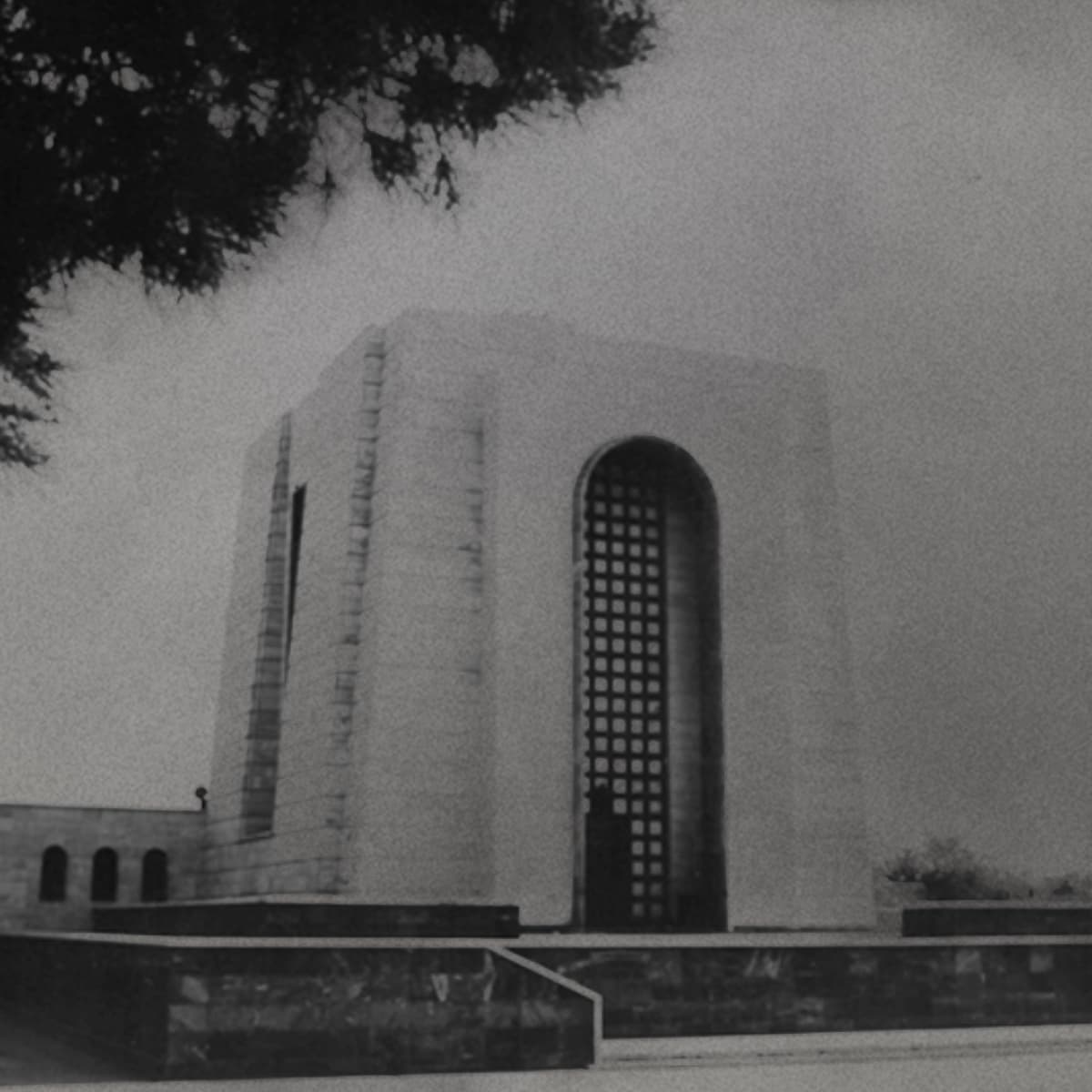
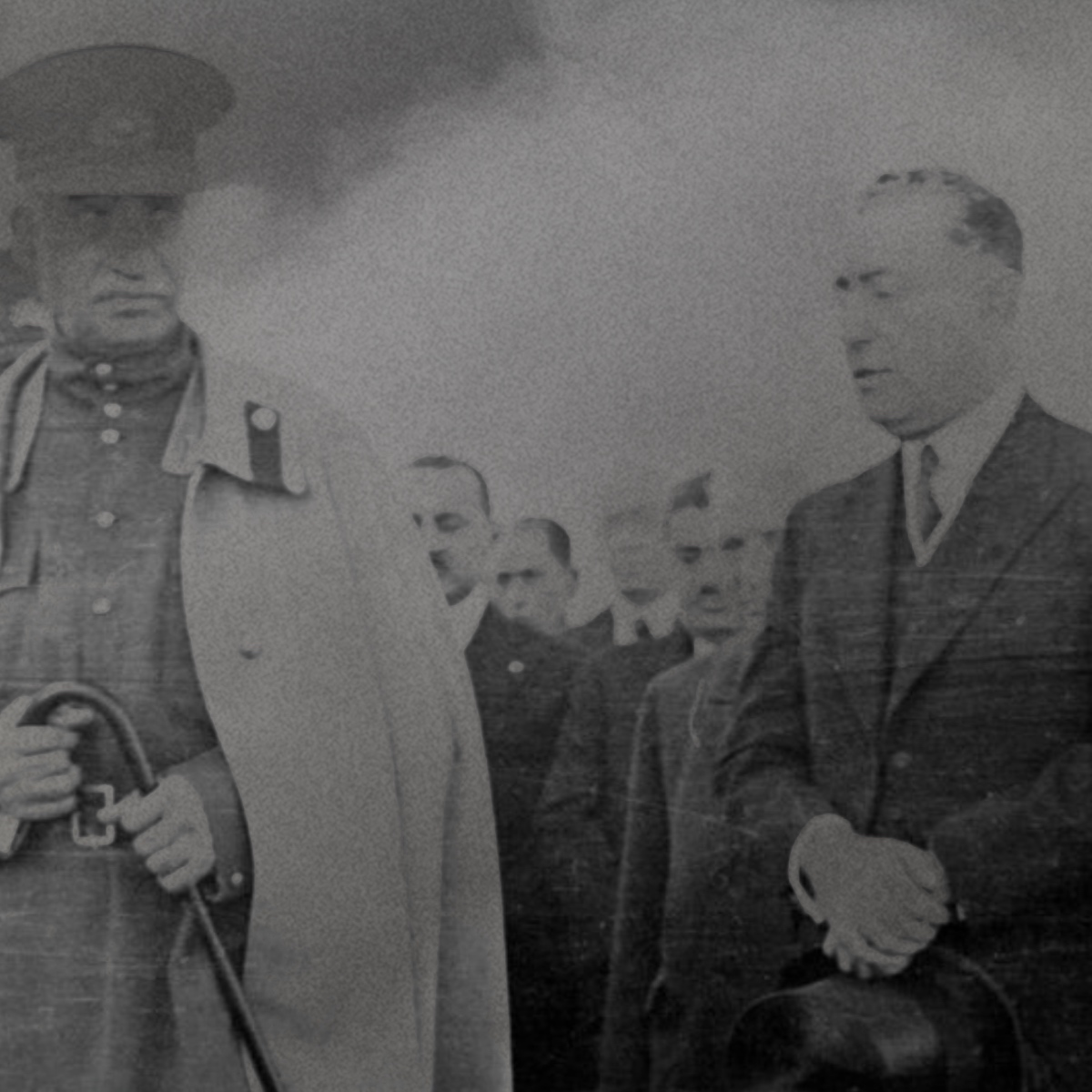
After his abdication in 1941, Reza Shah began a turbulent journey into exile leading to his death, and the mystery surrounding his burial.

This is the transcript for Book Two, episode 10 of The Lion and the Sun podcast: Reza Shah’s Abdication. When…


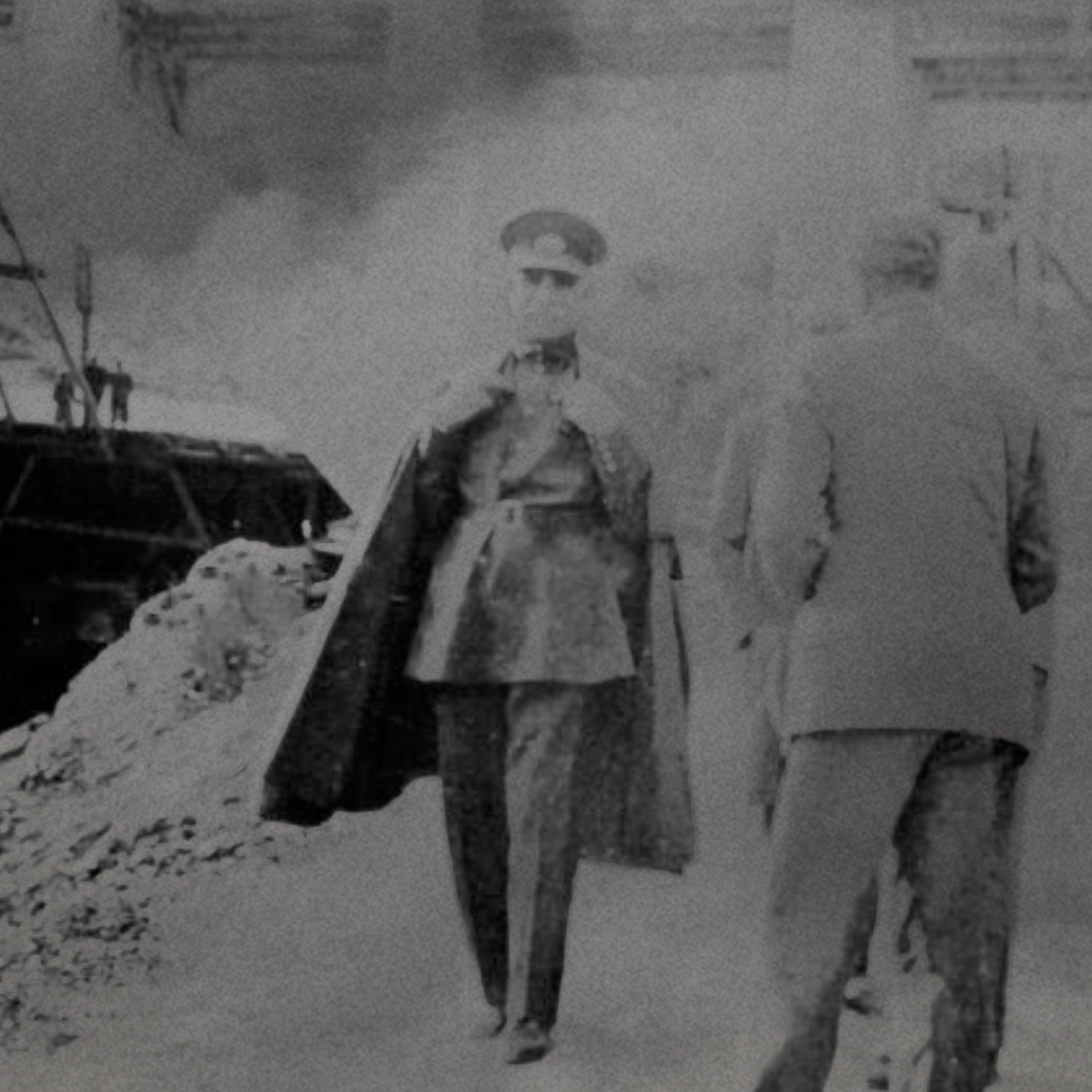
As World War II begins, Reza Shah distances Iran from Britain and the Soviet Union, aligning more closely with Nazi Germany.
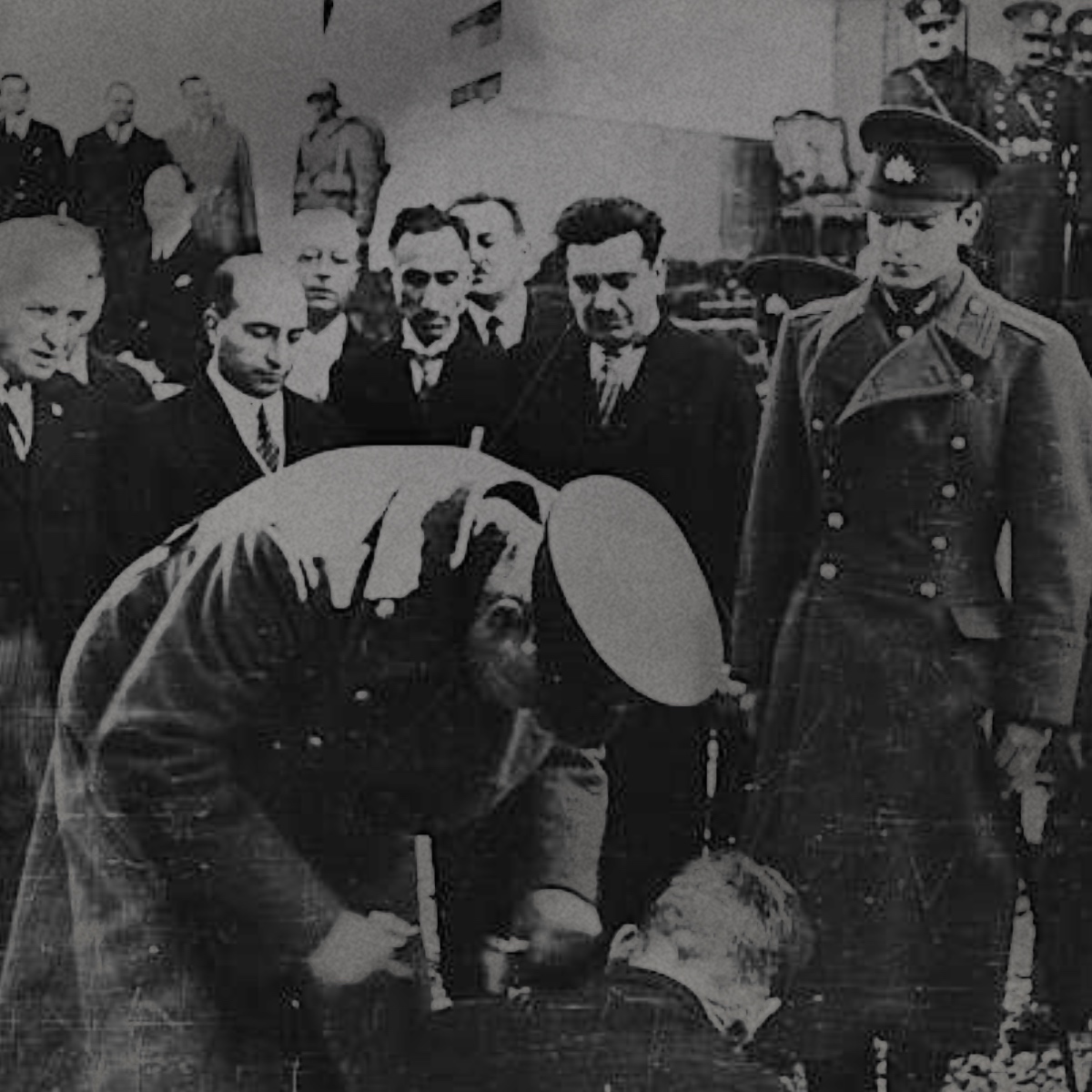
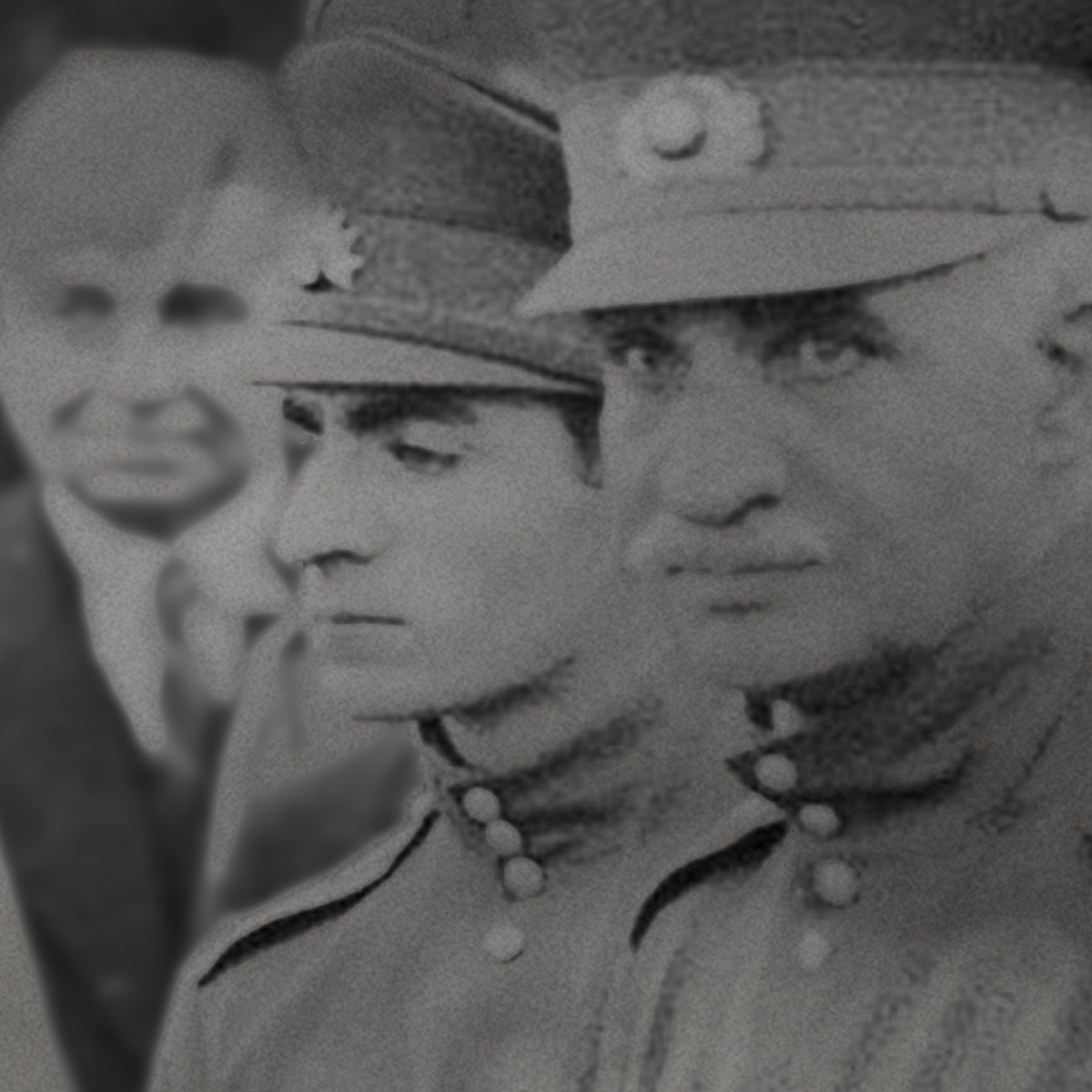
The making of a monarch: How Reza Shah picked his heir and shaped his son, Mohammad Reza Pahlavi, into Iran’s future king.
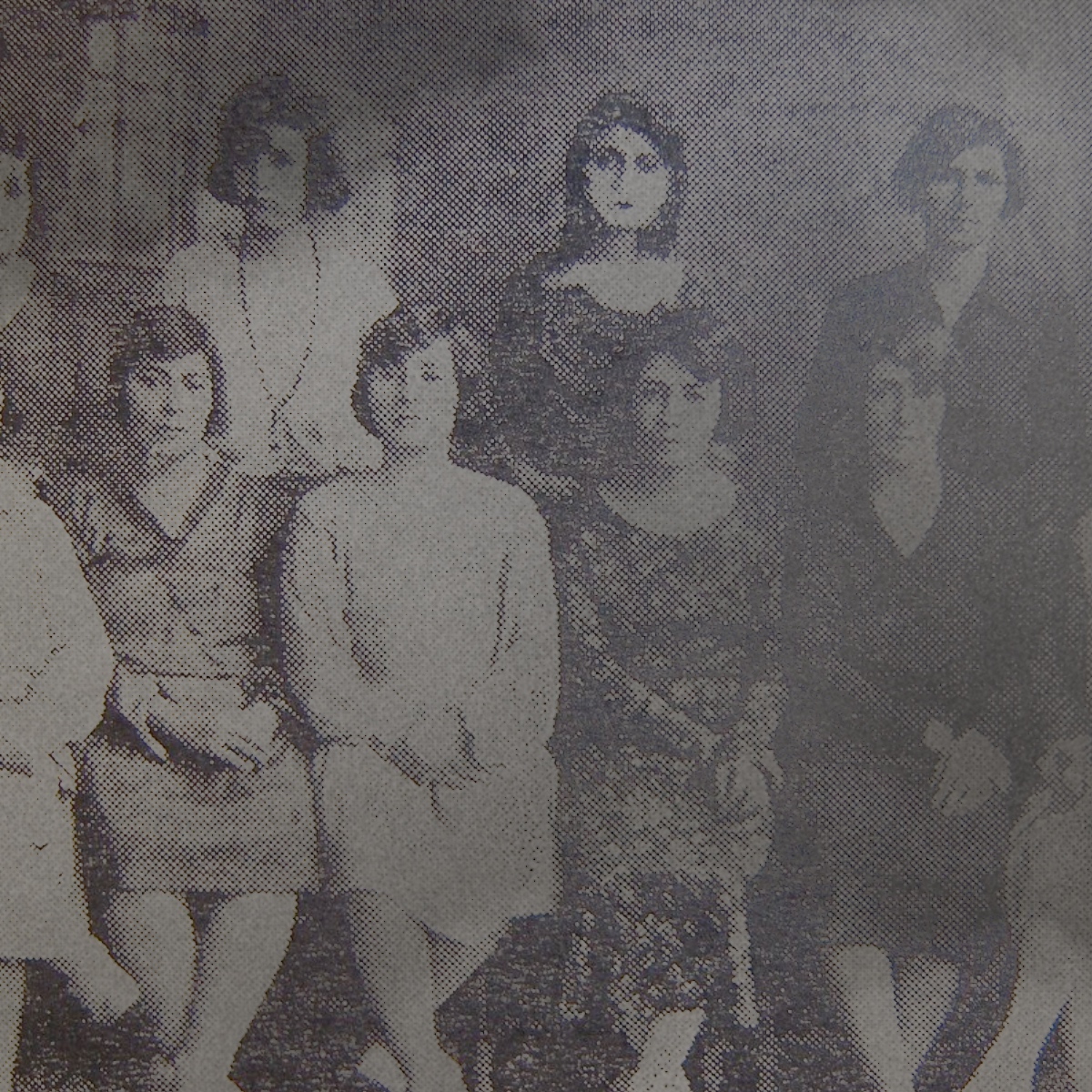
From the unveiling policy (Kashf-e Hijab) to his close ties with Atatürk, Reza Shah's vision for a secular Iran collides with the religious forces.
The story of Ali Akbar Davar, the architect of Iran’s modern judiciary, and his tragic death under Reza Shah’s rule.
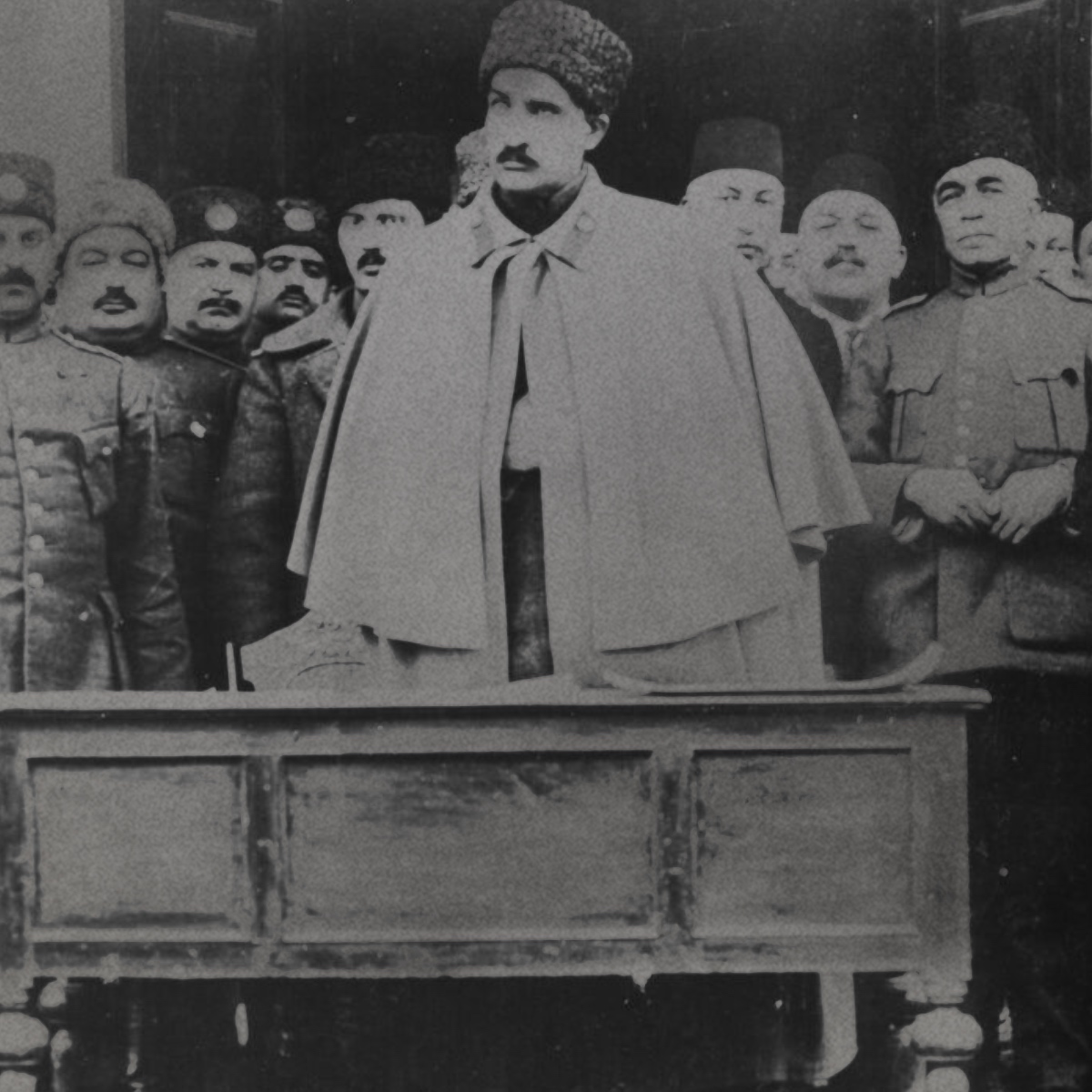
In 1935, Nowruz marked a turning point in Iran’s history as Reza Shah redefined the nation with his motto: "God, Shah, Nation." His reforms reshaped Iran’s military, economy, and infrastructure.
Facing opposition from all sides, Reza Khan uses his skill to break down the Qajar regime and the creation of
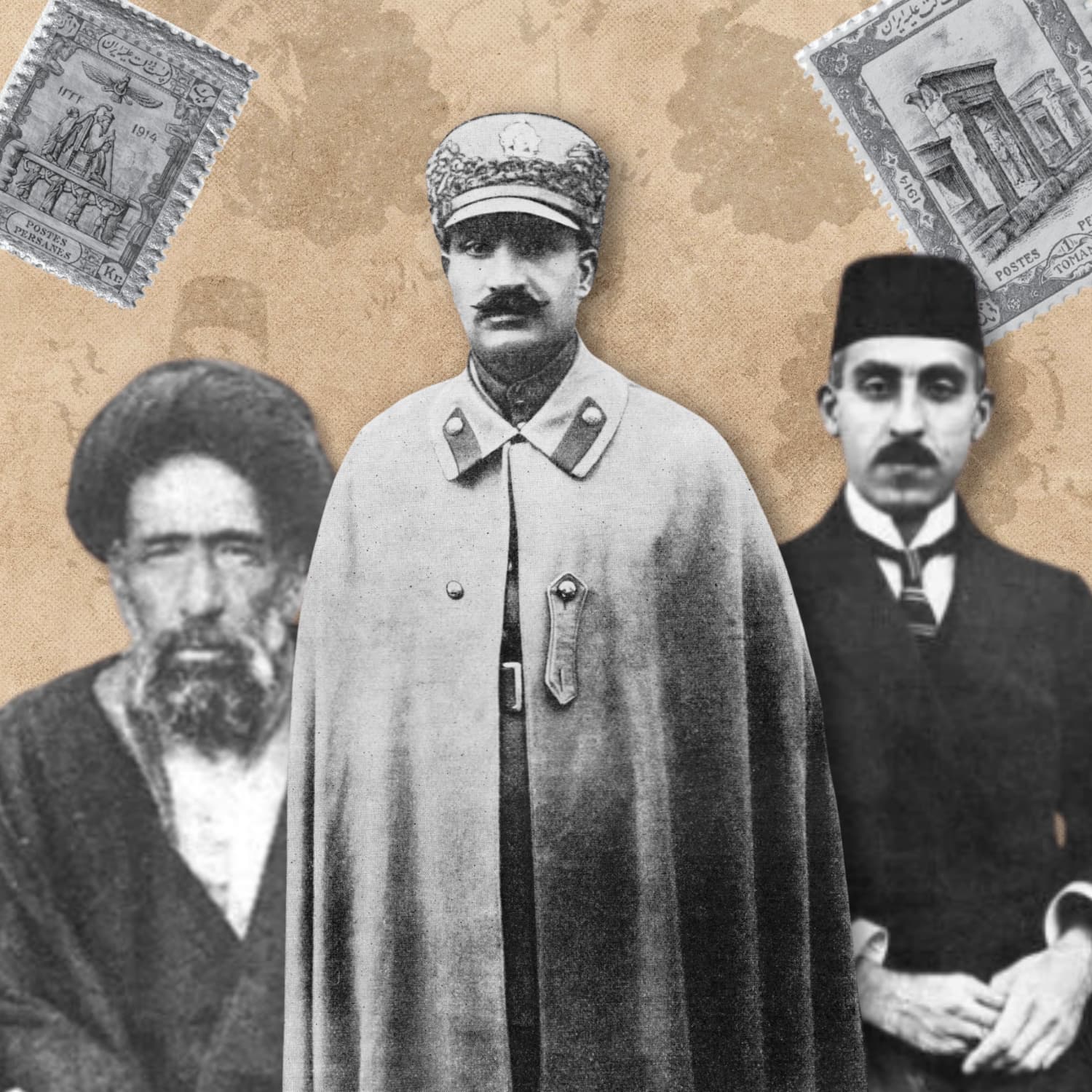
From the Tobacco protests to the rise of Reza Khan, this is the story of the collapse of the Qajar dynasty's 170 year reign in Iran.
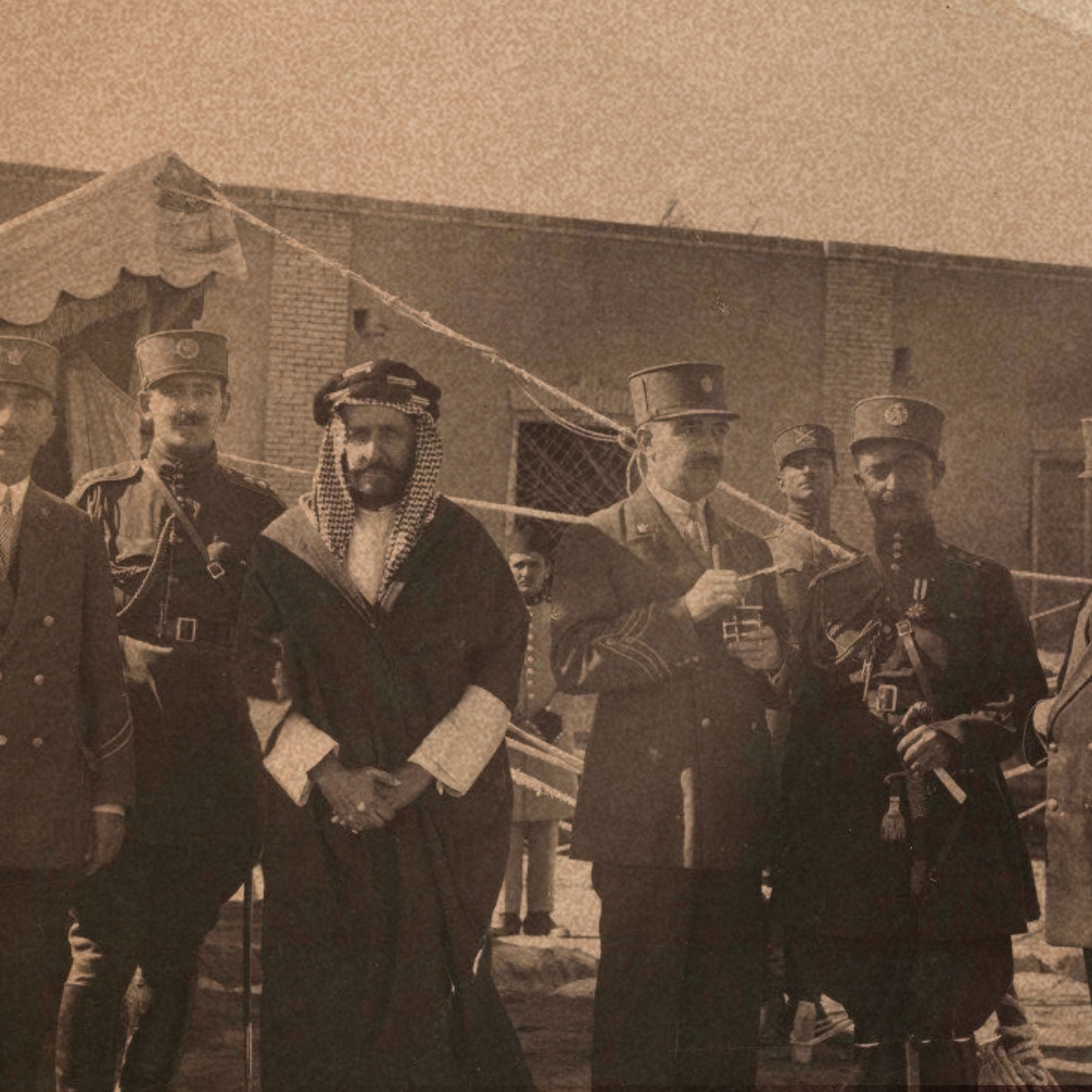
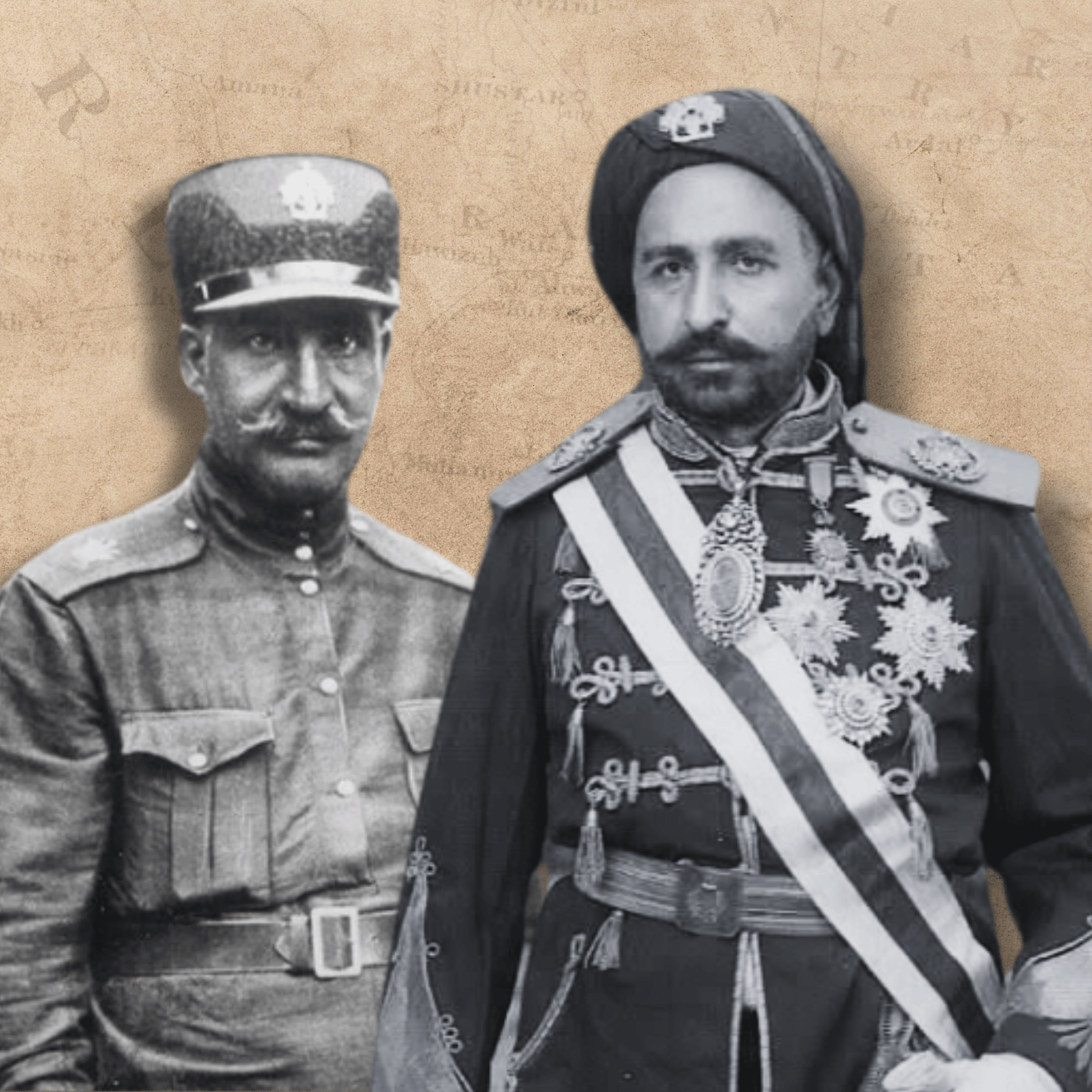
How Reza Khan amasses an army and faces Sheikh Khaz’al and his unchecked rule in Khuzestan
The story of Sheikh Khaz'al, the powerful tribal leader who ruled over Khuzestan , and his clash with Reza Khan.
How Iran (almost) became a secular republic! Reza Khan’s ambitious journey to reshape Persia: from a republic dream to a monarchy reality.

Search