Book Three

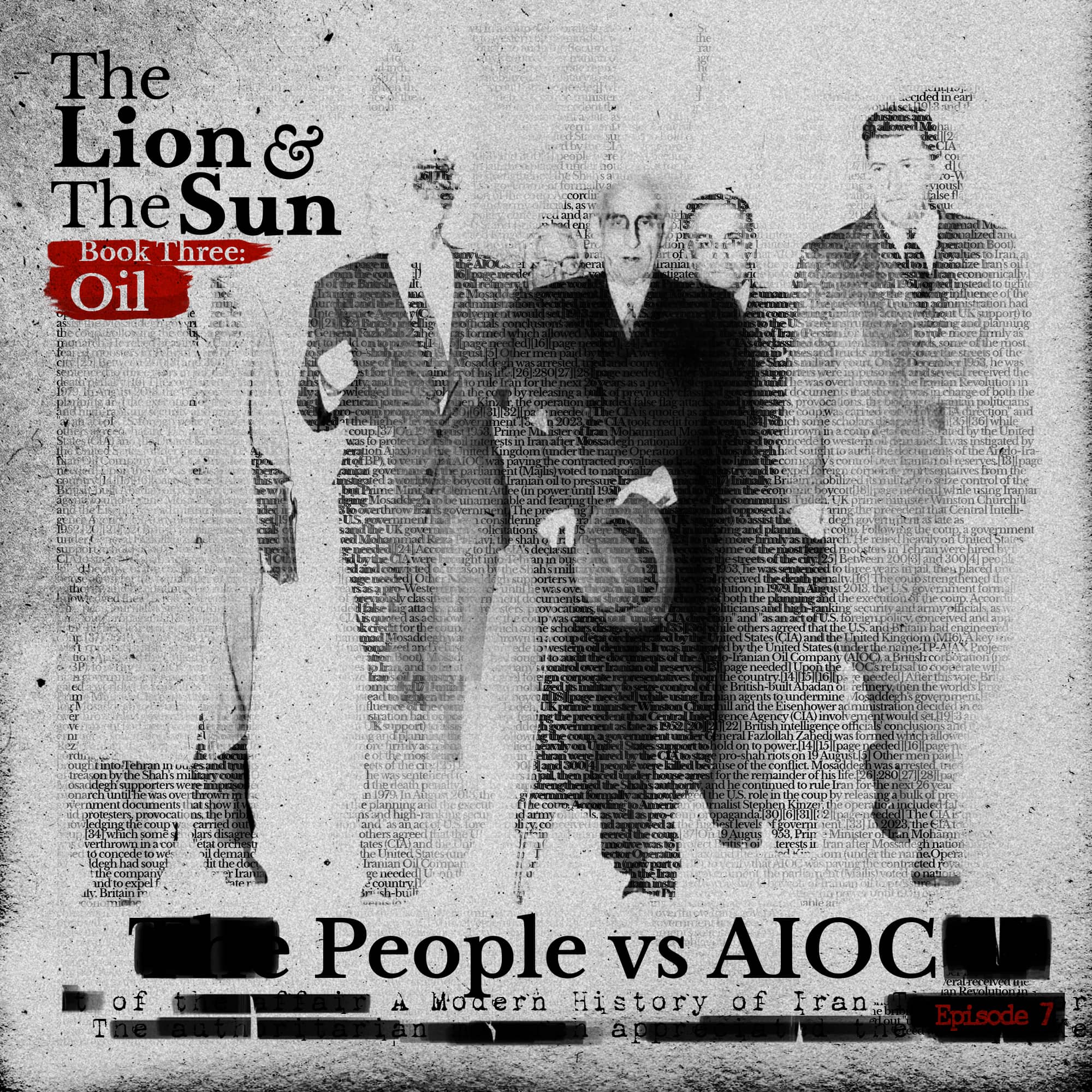
With British warships looming off Abadan and an economic war squeezing Iran, Britain drags the oil dispute before the United Nations, and Mosaddegh crosses the ocean to fight it himself.
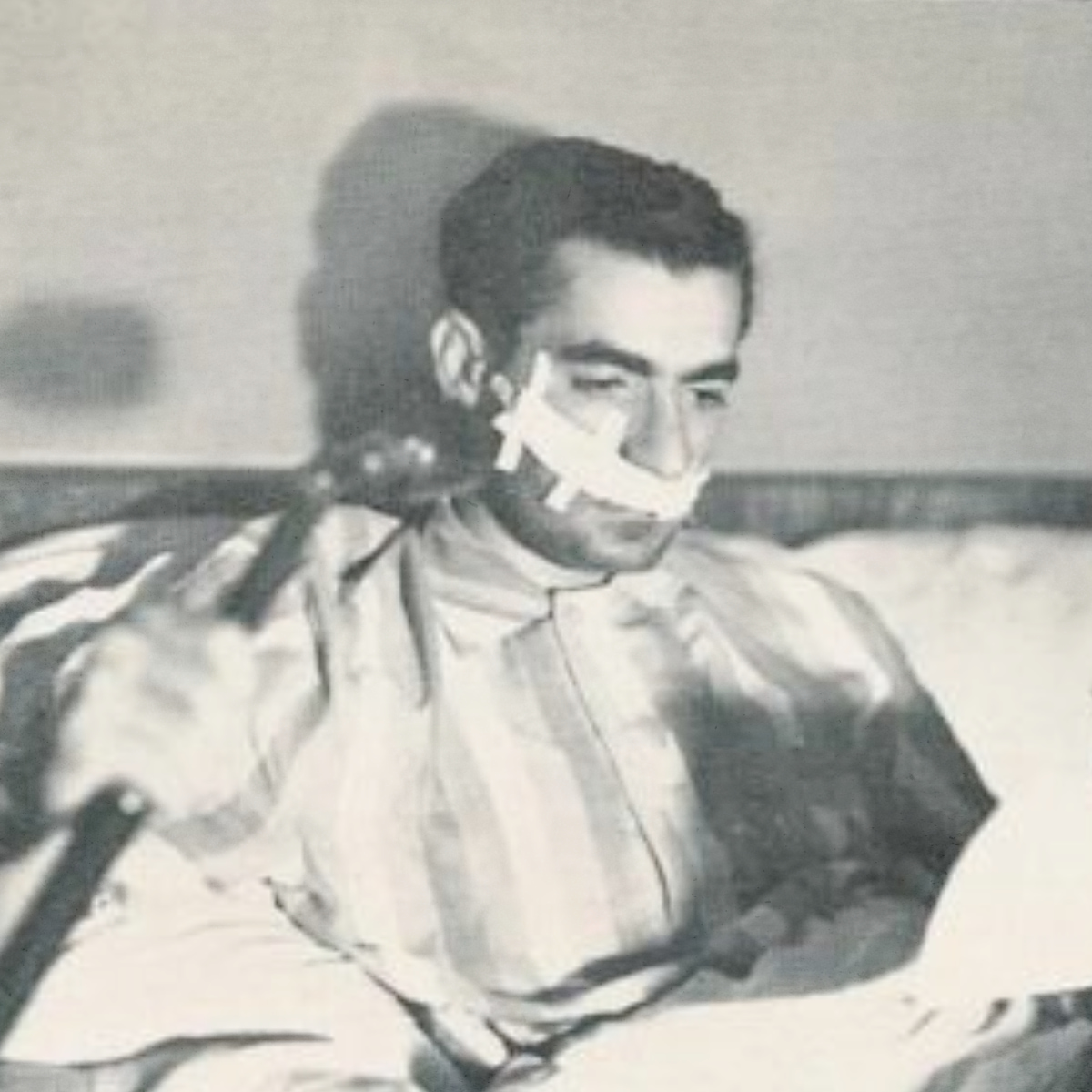
Mohammad Reza Shah 1949 assassination attempt. How he survived, tightened power, and turned to the US, reshaping Iran’s Cold War path.
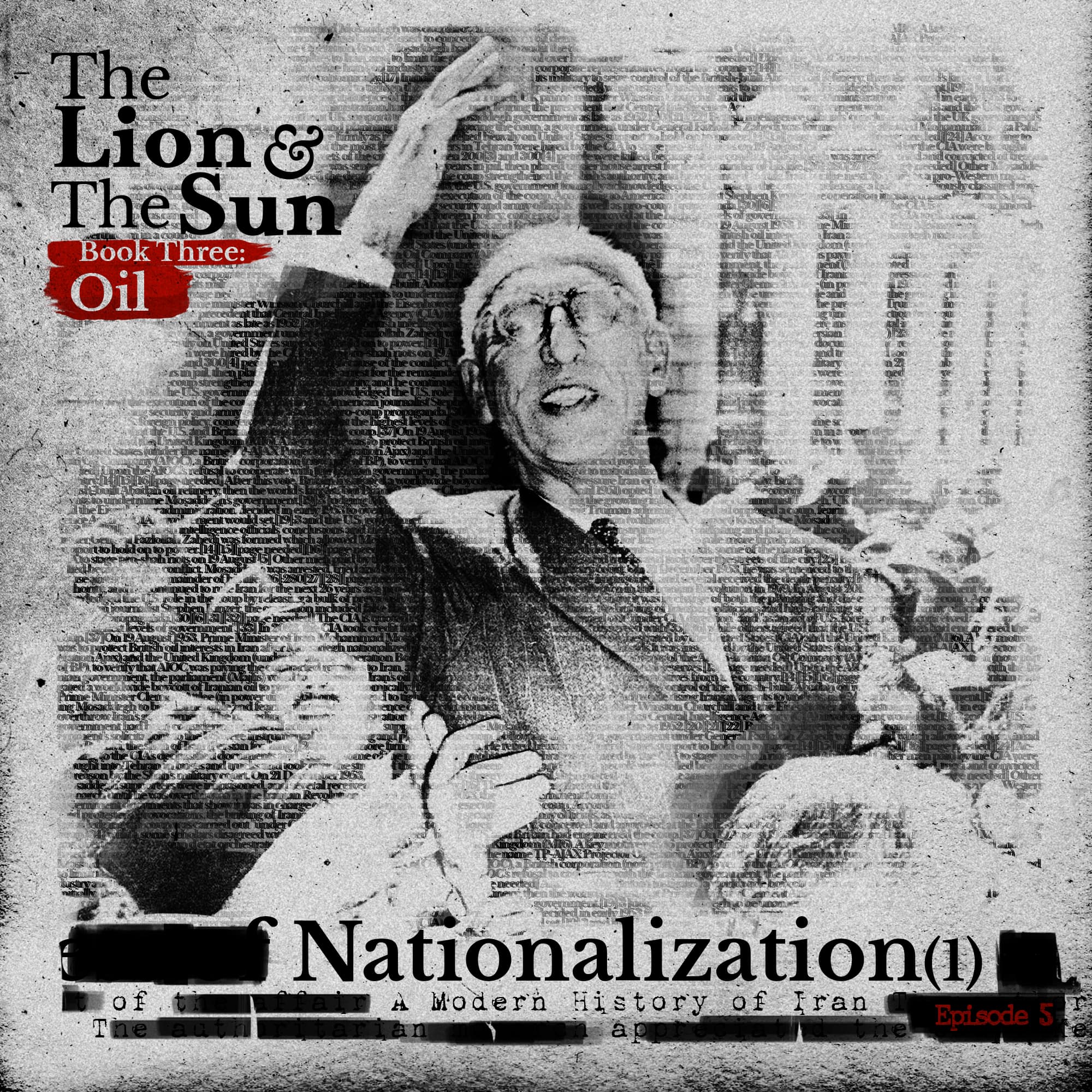
As pressure builds and compromise collapses, Mohammad Mosaddegh leads a united nation towards oil nationalization.
When a deadly strike erupts and the Anglo-Iranian Oil Company refuses to yield, a veteran constitutionalist steps forward to fight for control of the nation’s oil.
The Iran Crisis of 1946 was the Cold War's first flashpoint: Stalin refused to leave, and Iran teetered on the edge of fracture.
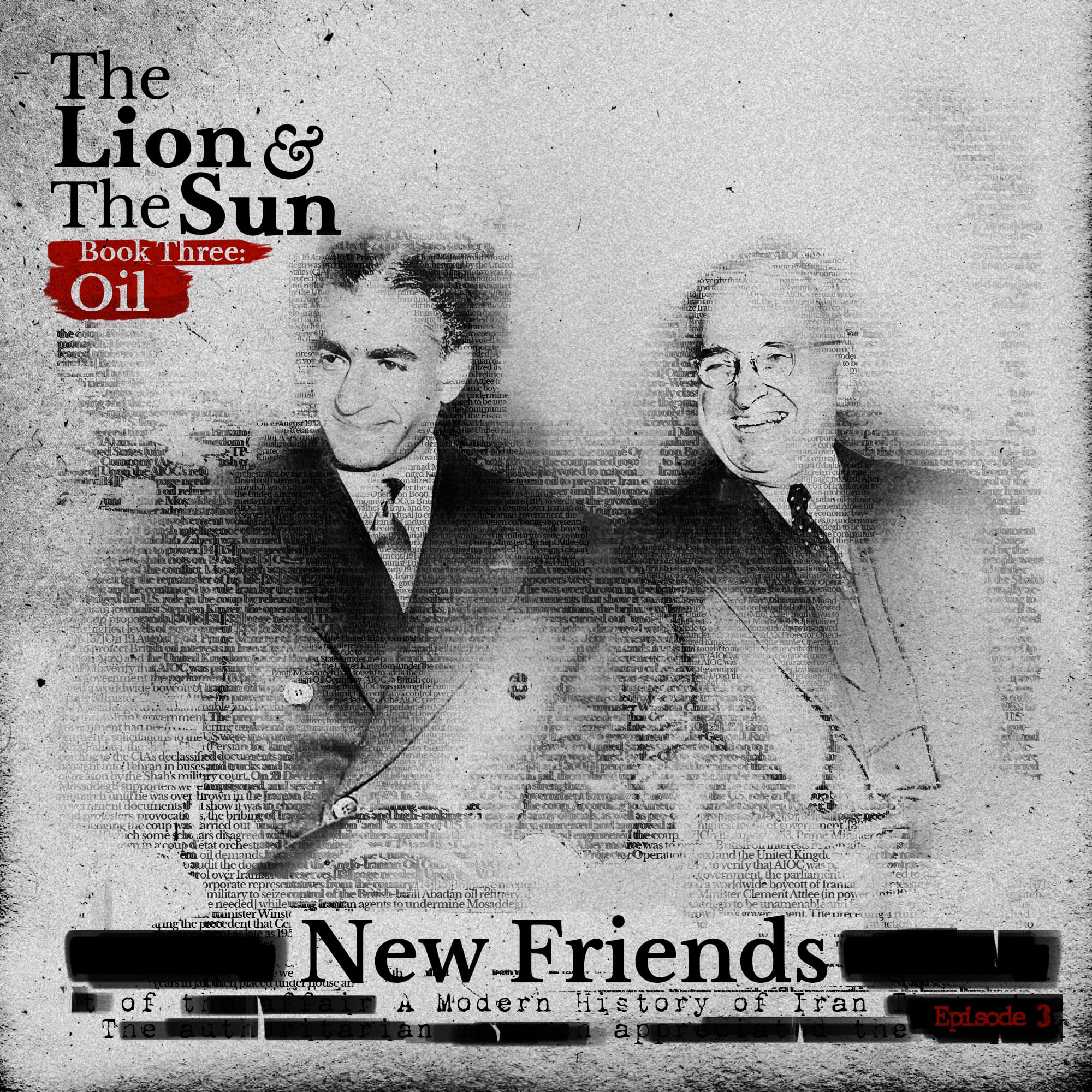
As Cold War tensions rise, Iran and the United States become unlikely allies. After surviving an assassination attempt, Mohammad Reza Shah moves to consolidate power and reshape Iran’s political order.
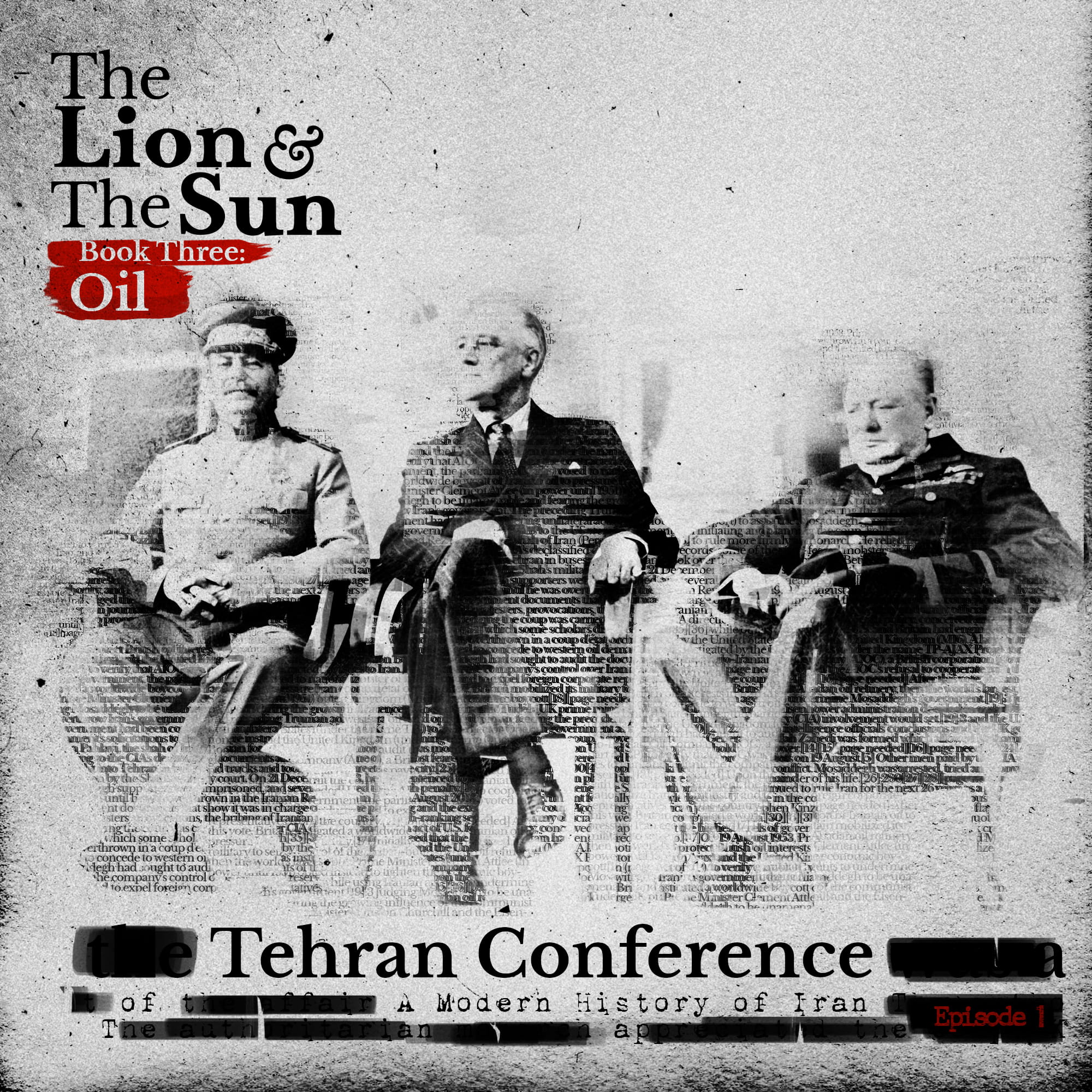
As the Tehran Conference unfolds in 1943, Iran stands occupied and divided. How did Mohammad Reza Shah’s rise reshape the country?
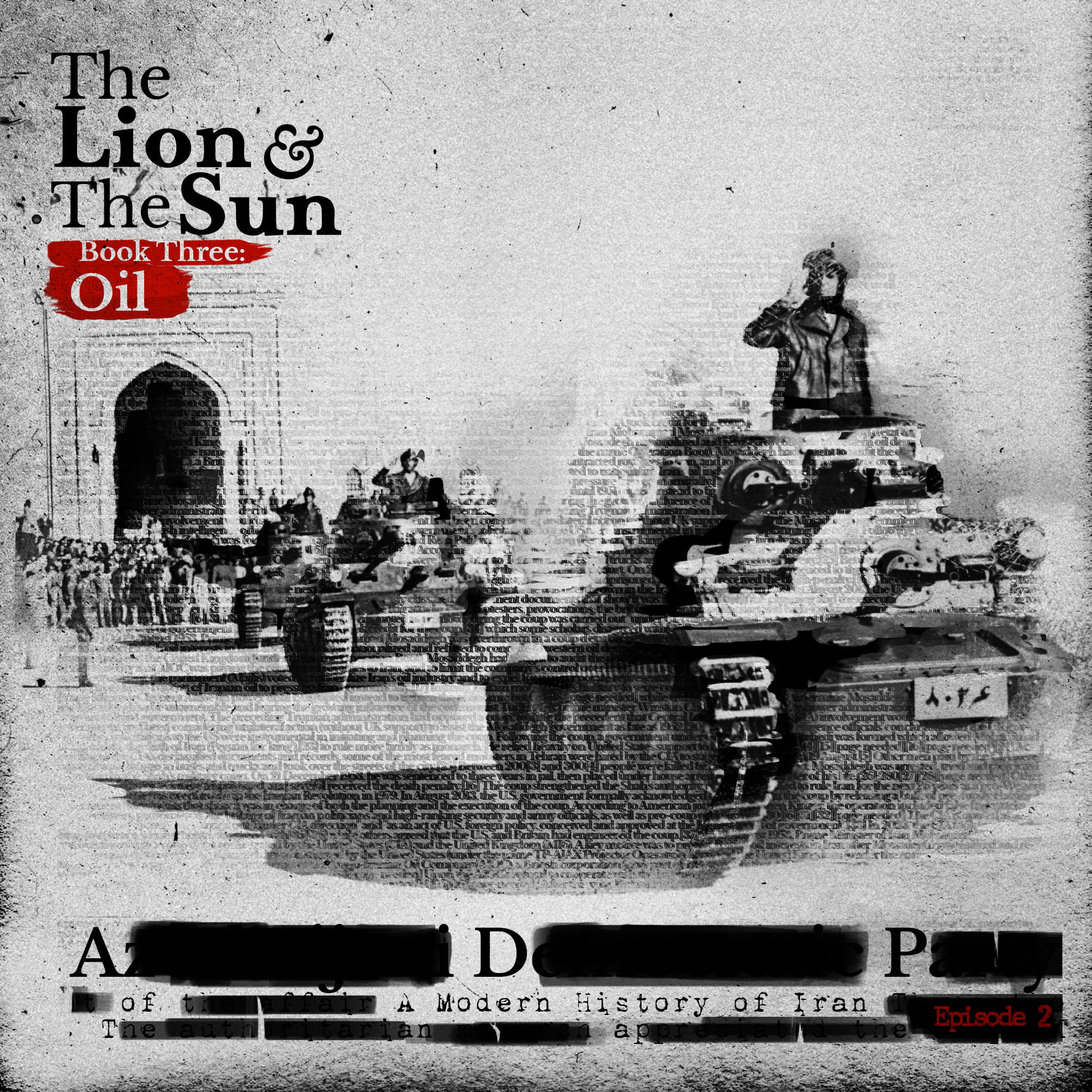
In the aftermath of World War II, the Soviet-backed Azerbaijan Democratic Party rises in northern Iran, testing the country’s unity in one of the first crises of the Cold War.

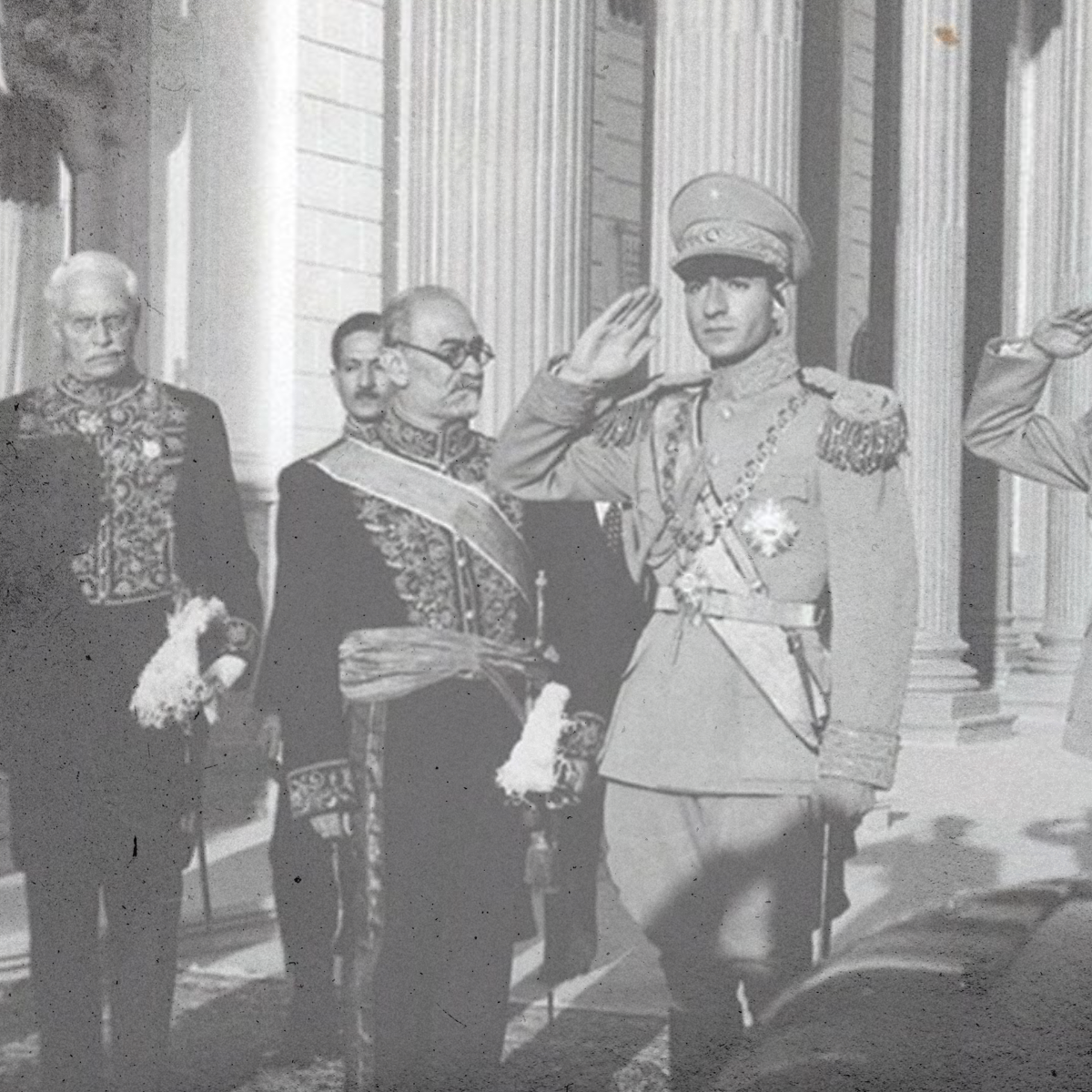
After Reza Shah’s abdication, Mohammad Reza Pahlavi takes the throne. As Iran reels from the Anglo-Soviet invasion, Allied leaders gather in Tehran.
Iran’s oil nationalization, the rise of Mohammad Mosaddegh, and the CIA coup that removed him. Listen to book three on Jan. 28!

Search