Reza Shah

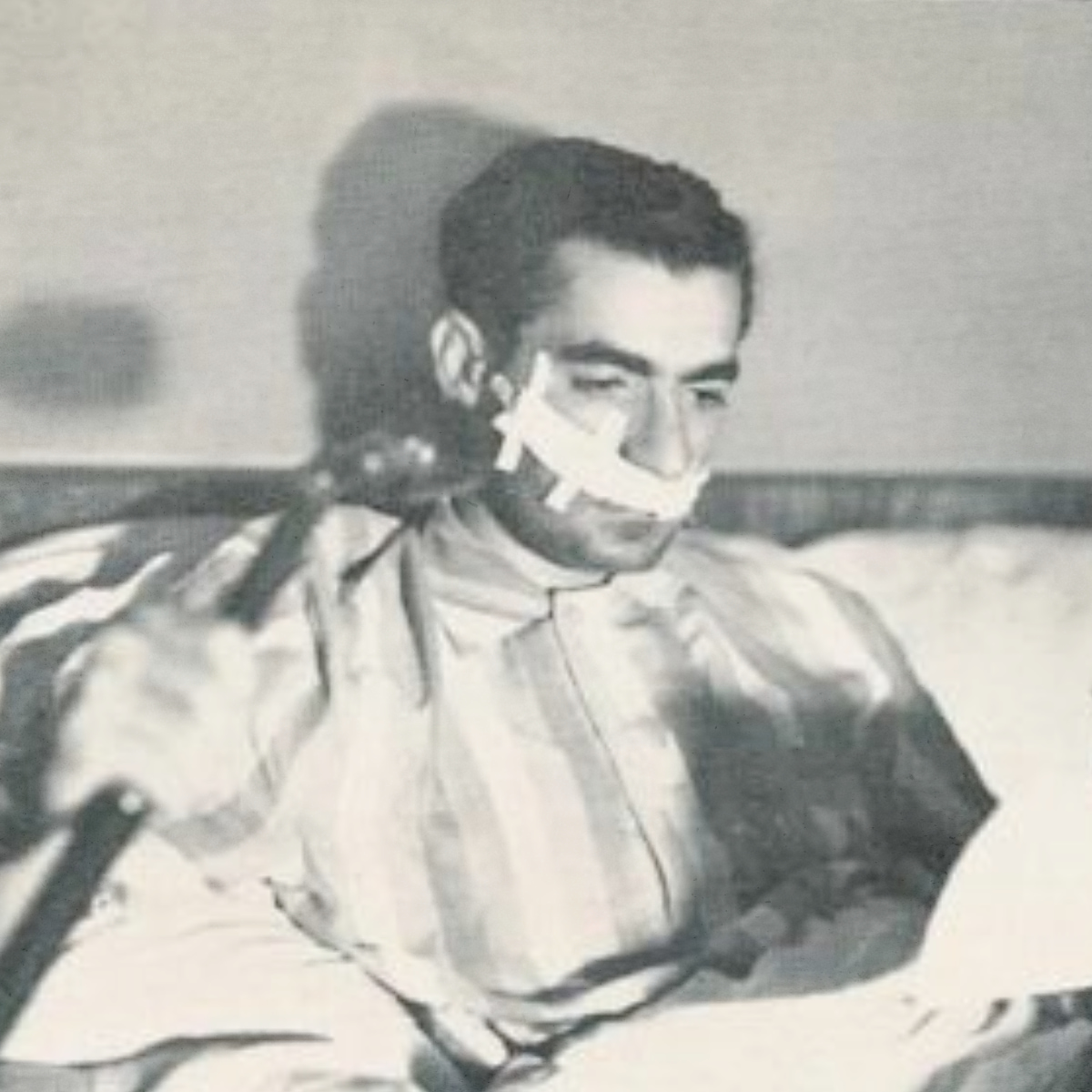
Mohammad Reza Shah 1949 assassination attempt. How he survived, tightened power, and turned to the US, reshaping Iran’s Cold War path.
As pressure builds and compromise collapses, Mohammad Mosaddegh leads a united nation towards oil nationalization.
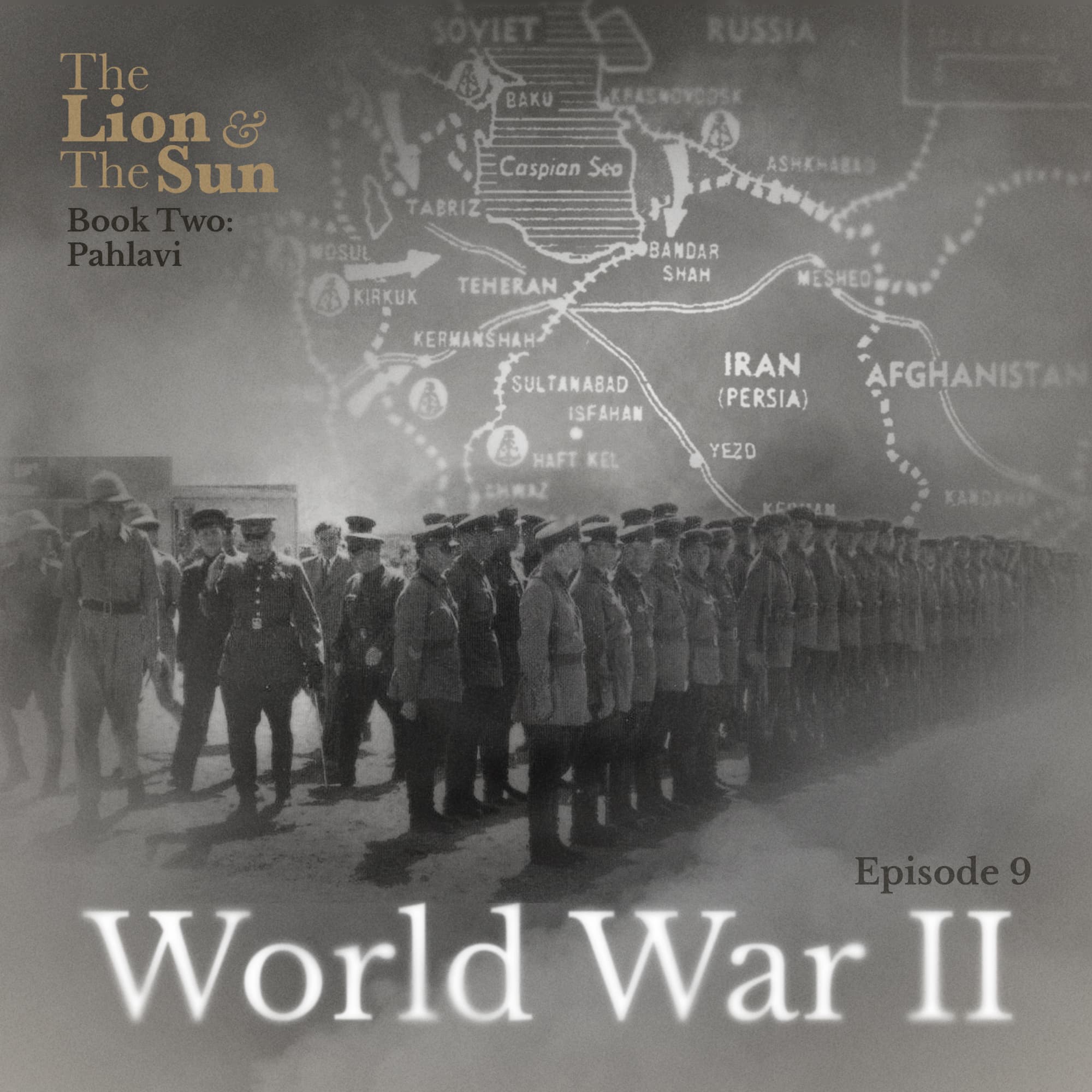
As the Tehran Conference unfolds in 1943, Iran stands occupied and divided. How did Mohammad Reza Shah’s rise reshape the country?
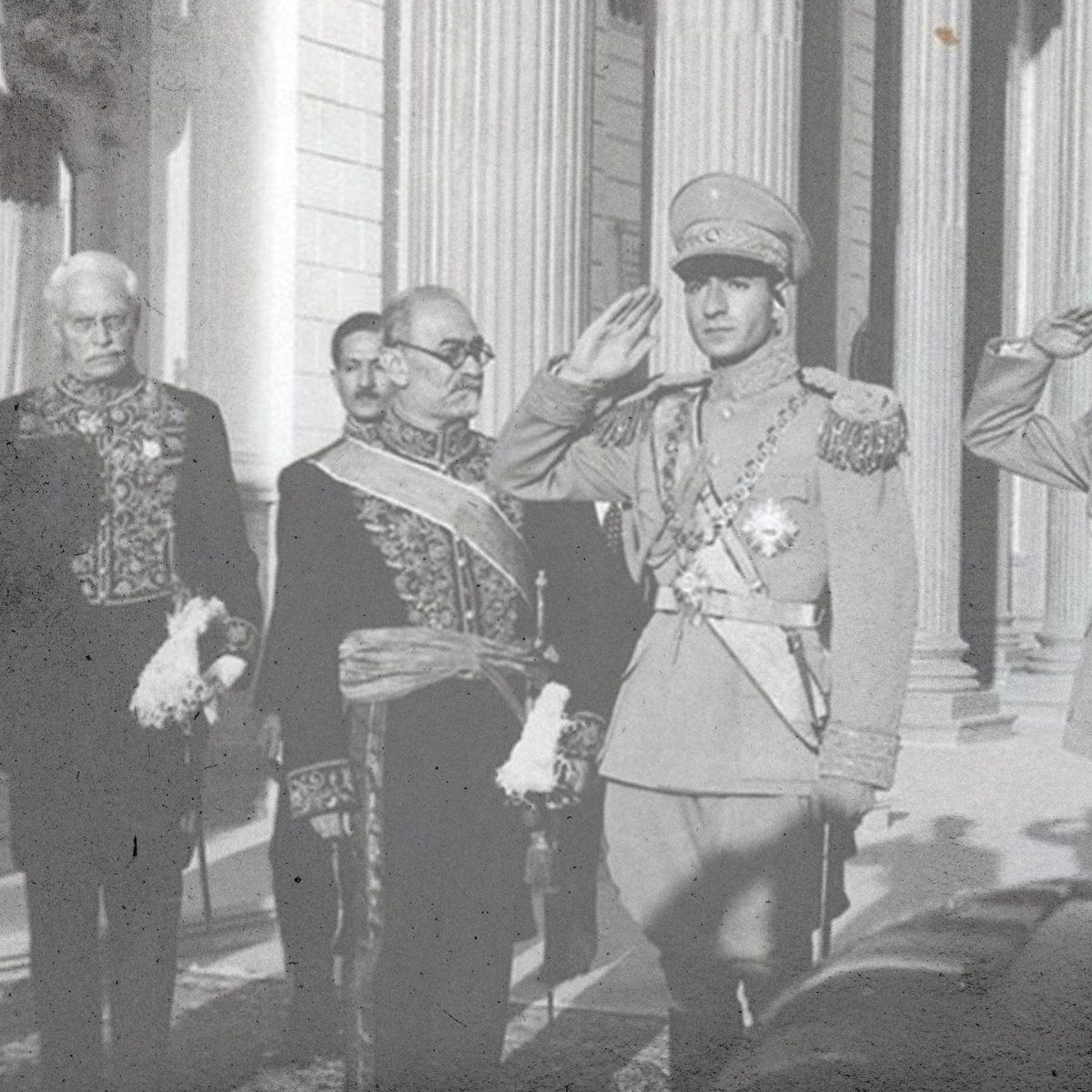
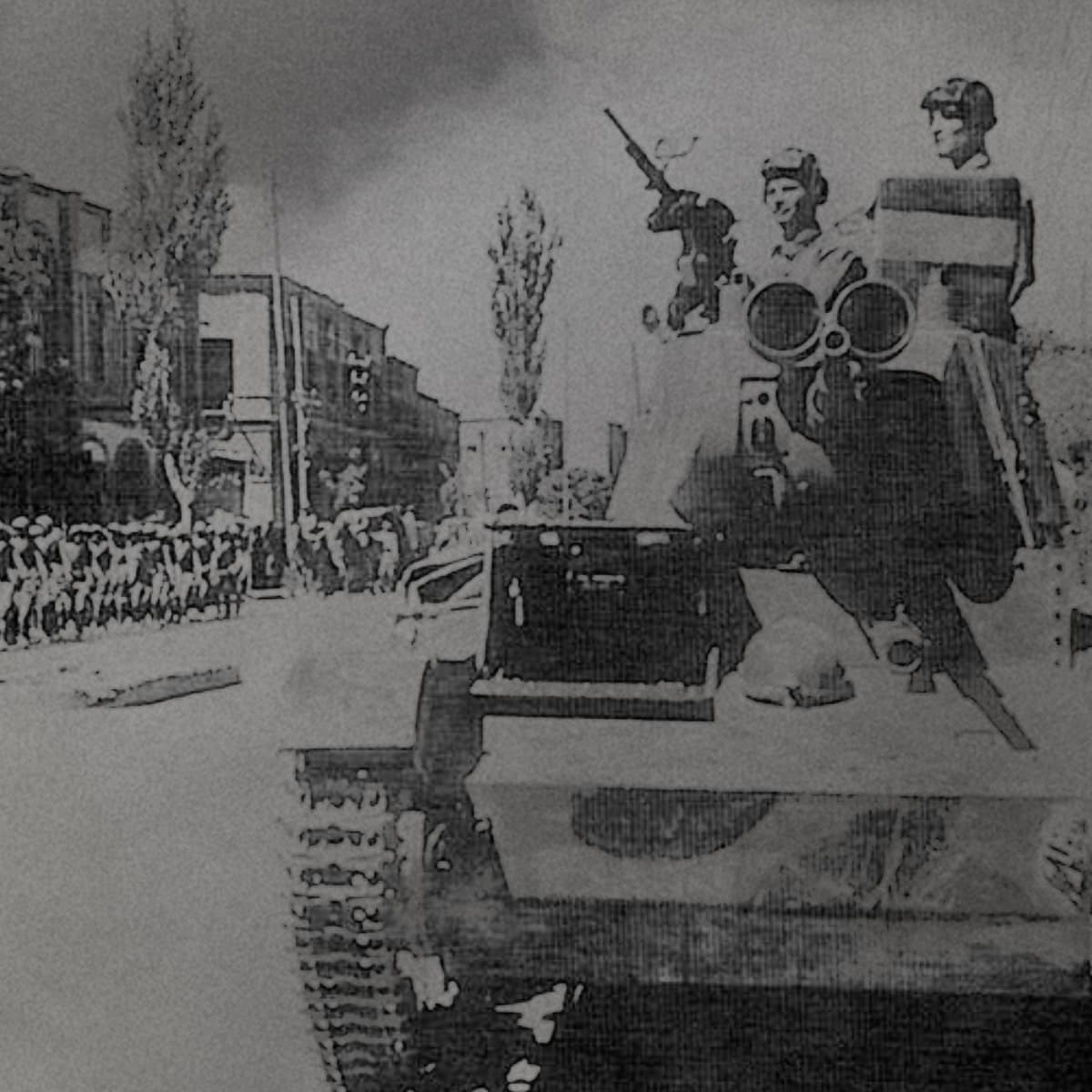
After Reza Shah’s abdication, Mohammad Reza Pahlavi takes the throne. As Iran reels from the Anglo-Soviet invasion, Allied leaders gather in Tehran.

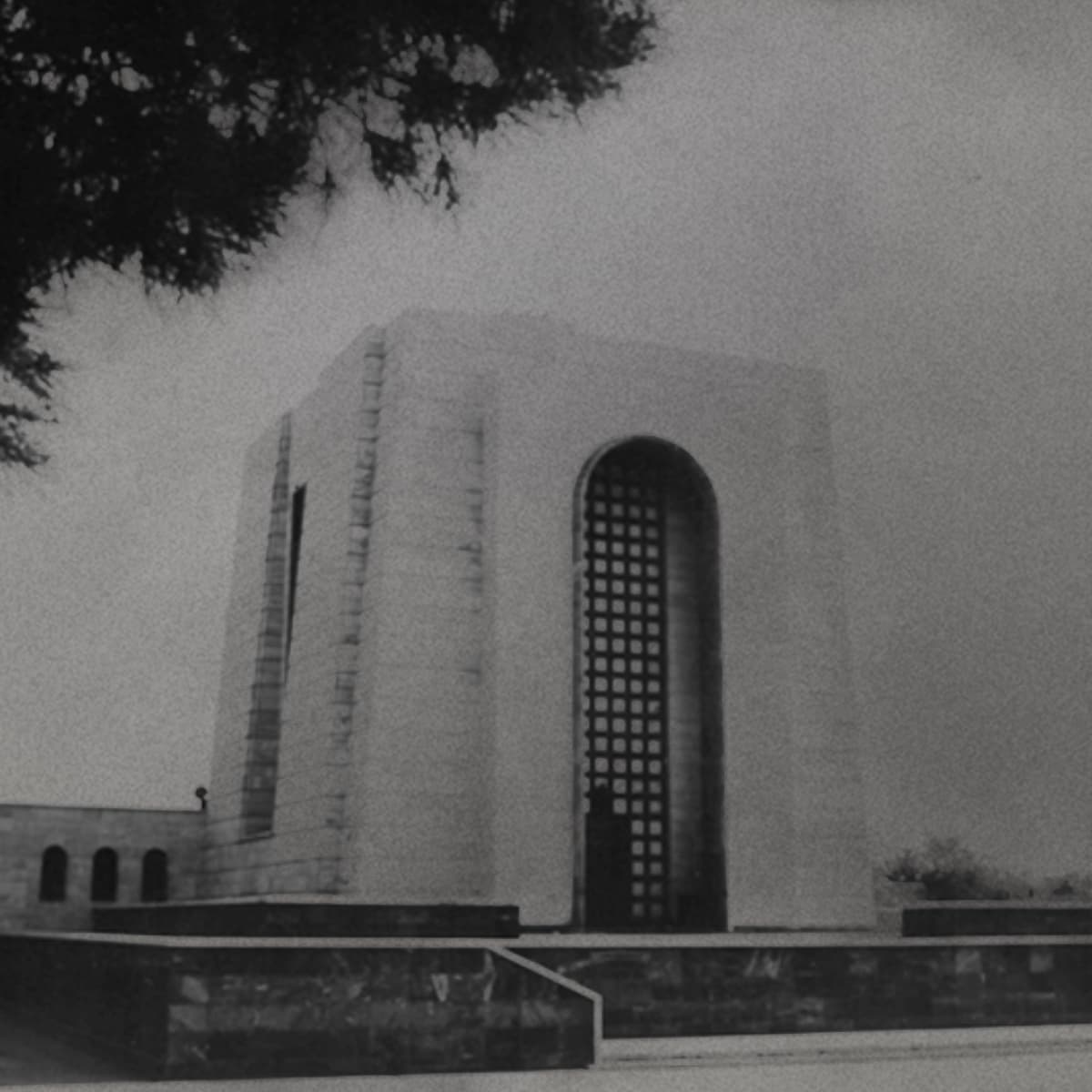
In 1944, Reza Shah Pahlavi died alone. Banished from his homeland and despised by his people. But even his most…

The rise and fall of Reza Shah, the architect of modern Iran. Season Two recap chronicles the life of Reza Khan and the creation of Pahlavi dynasty.
After his abdication in 1941, Reza Shah began a turbulent journey into exile leading to his death, and the mystery surrounding his burial.
As Iran crowns a new king, Reza Shah is forced into exile. Stripped of power and family, the fallen monarch begins his final chapter in isolation.

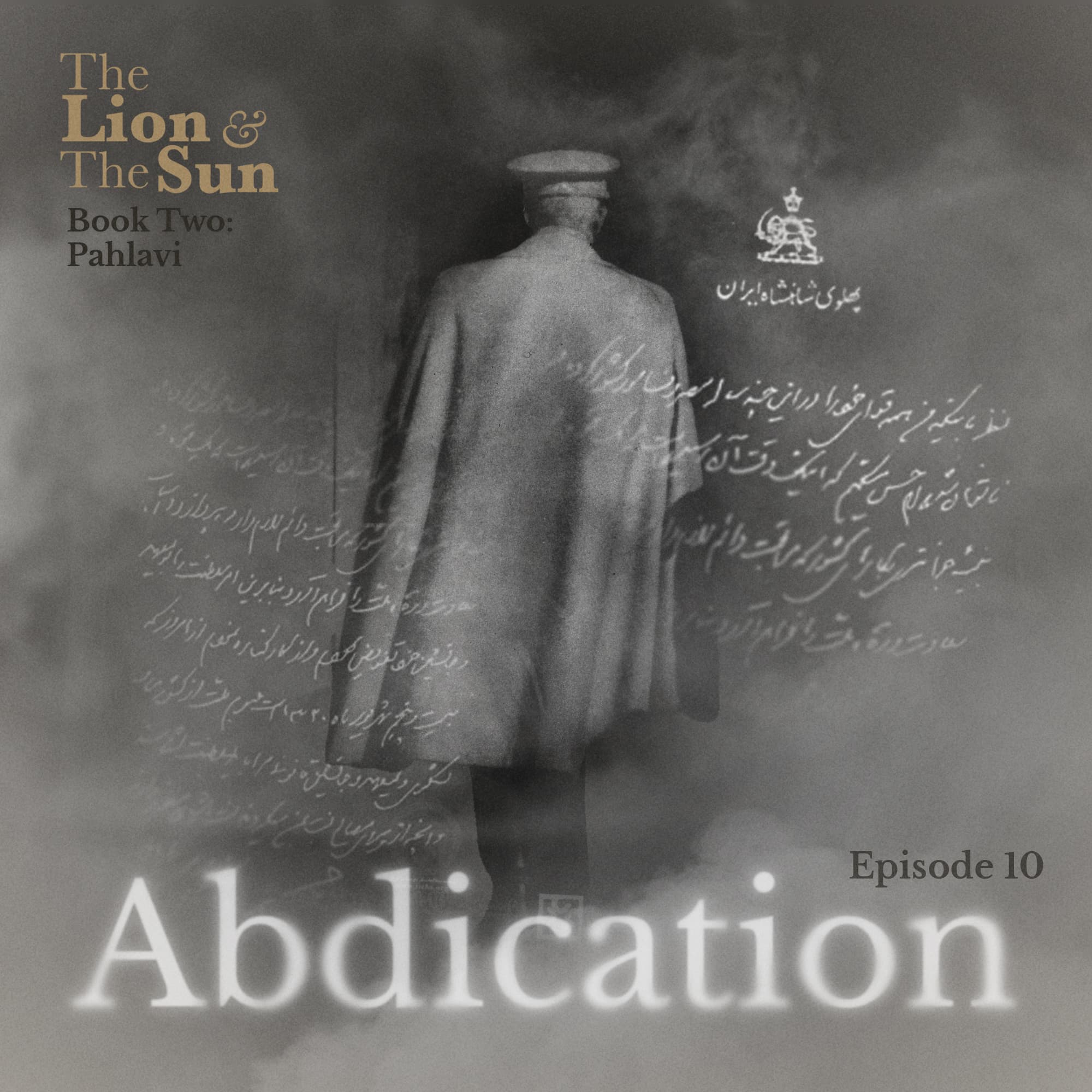
This is the transcript for Book Two, episode 10 of The Lion and the Sun podcast: Reza Shah’s Abdication. When…

in 1941, Britain and the Soviet Union invade Iran in hopes of a regime change and Reza Shah contemplates abdication.
As World War II begins, Reza Shah distances Iran from Britain and the Soviet Union, aligning more closely with Nazi Germany.
As the Second World War breaks out, Iran declares neutrality. But Britain and the Soviet Union fear that Reza Shah’s ties with Germany could tip the balance of power in
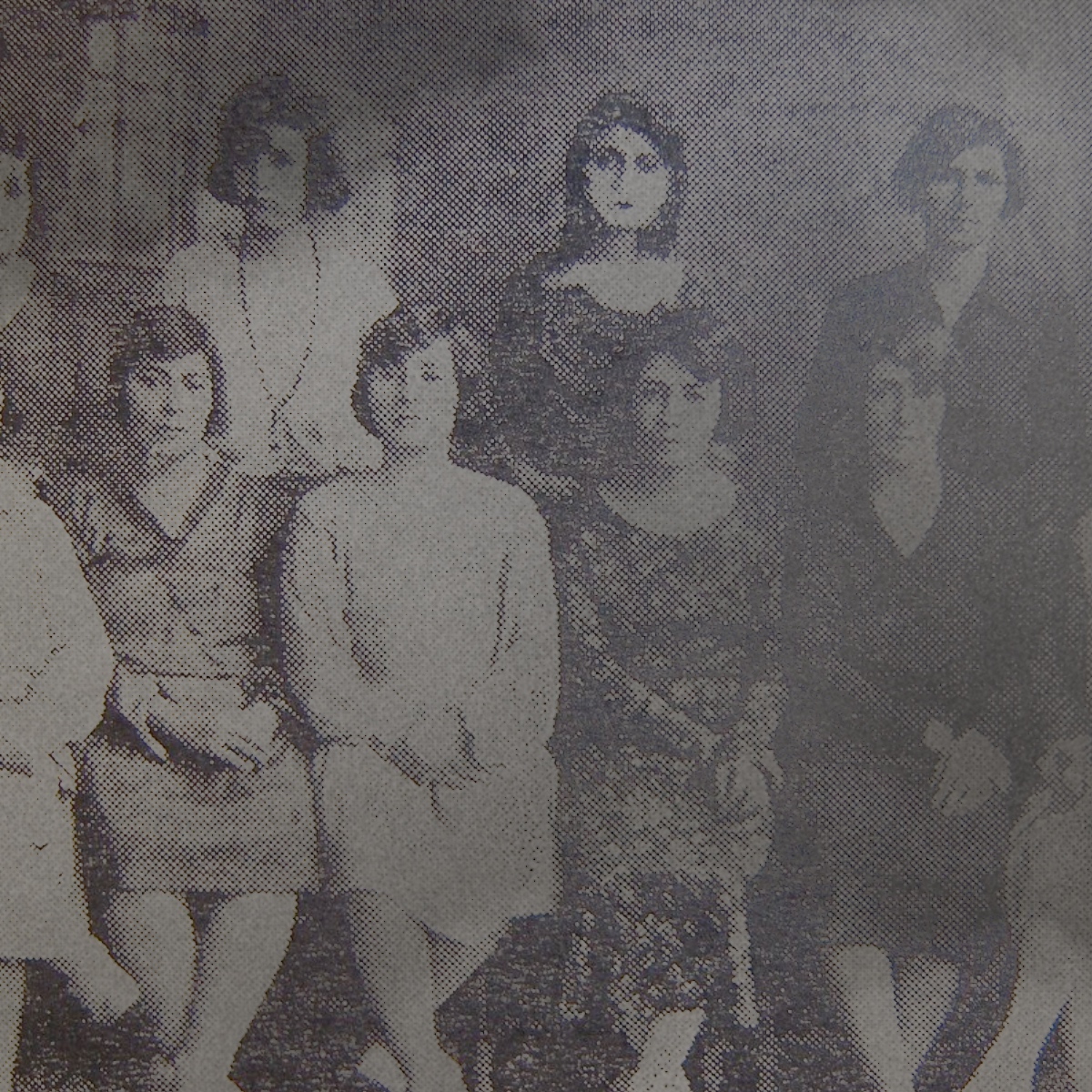
From the unveiling policy (Kashf-e Hijab) to his close ties with Atatürk, Reza Shah's vision for a secular Iran collides with the religious forces.
Groomed for power from childhood, Mohammad Reza Pahlavi was more than a prince. He was Reza Shah's guarantee for a successful political project.

After his first foreign trip, Reza Shah declares war on Islam and orders women to remove their hijab. Follow us…


Search